%201.avif)
5 Ways to Know if Your AC Filter Needs Changing
Learn the key signs your AC filter needs changing to boost airflow, cut energy costs, and protect your system.


.svg)
.svg)
.svg)
What Are the Signs My AC Filter Needs Changing? Expert Whole Home Comfort in Dallas-Fort Worth
The signs your AC filter needs changing are easier to spot than most homeowners think — and catching them early can protect your system, your energy bills, and the air your family breathes.
Here are the most common signs to look for:
1. Weak or reduced airflow from your vents
2. Visible dirt, dust, or gray discoloration on the filter surface
3. Rising energy bills without a change in usage
4. More dust settling on furniture and around air vents
5. Worsening allergy or asthma symptoms indoors
6. Unusual noises like rattling or whistling from the unit
7. Musty or stale odors when the system runs
Most people don't think about their AC filter until something goes wrong. By that point, the system is already working harder than it should. According to the U.S. Department of Energy, a dirty filter can increase your AC's energy use by up to 15%. In the Dallas-Fort Worth heat, where your system runs hard for much of the year, that adds up fast.
The good news? A simple filter swap is all it takes to avoid much bigger problems — like a major compressor failure that can disrupt your home's comfort.
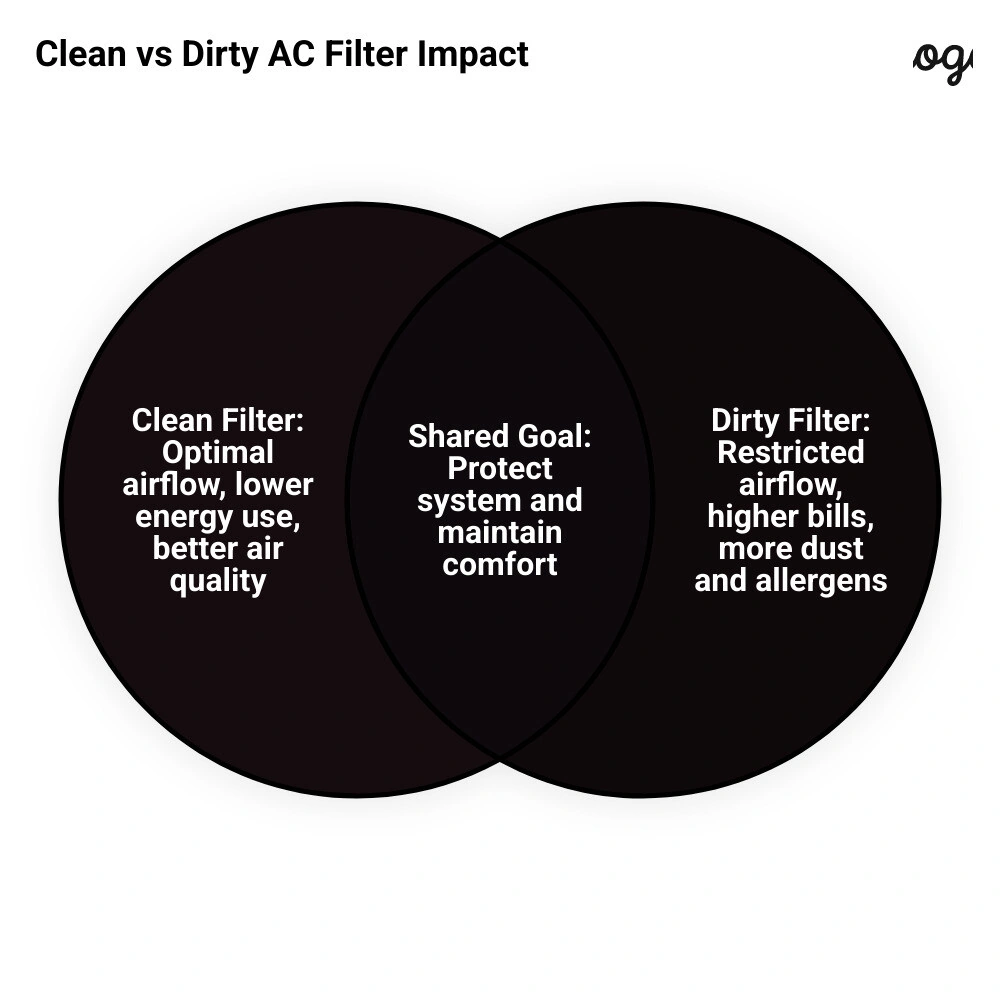
5 Key Signs Your AC Filter Needs Changing
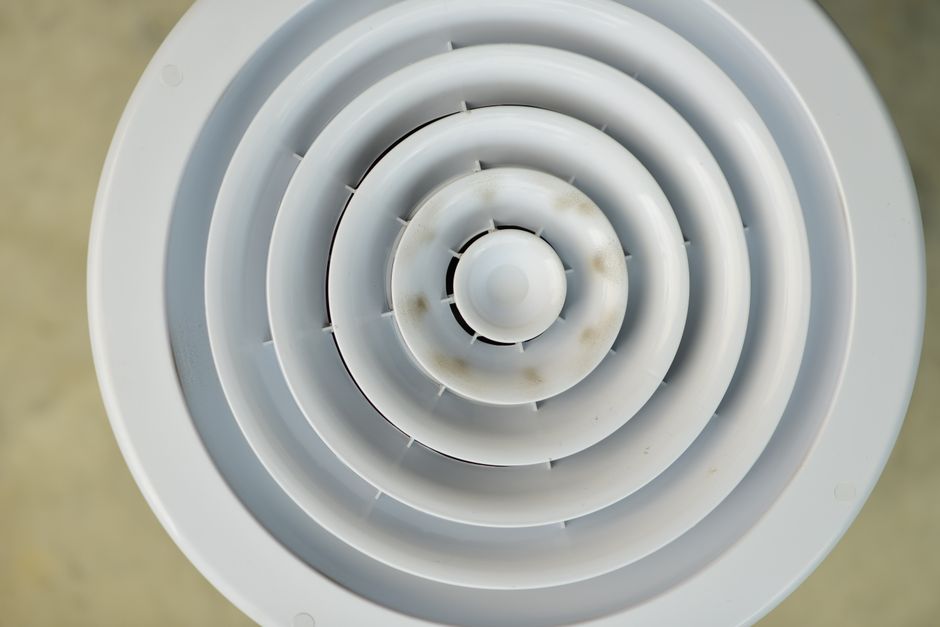
For many homeowners in Southlake, Westlake, Colleyville, and Keller, changing the AC filter sits in the same category of home maintenance as checking smoke detectors or cleaning out dryer vents—it is incredibly important, yet remarkably easy to forget. However, your air conditioner is the heart of your home’s comfort. When the filter becomes clogged, it acts like a thick blanket draped over your system's lungs, choking off the vital airflow required to keep your living space cool and clean.
When you ignore the subtle warnings, your home comfort suffers, your indoor air quality drops, and your monthly energy bills begin a slow, painful climb. Here are the most common physical symptoms of a clogged air filter that you should look out for:
• Gray or dark brown discoloration across the pleated material instead of a crisp, clean white.
• A thick layer of felt-like dust, lint, and pet hair matted over the intake side of the filter.
• Fine dust clouds that puff into the air when you gently tap the filter frame.
• Visible black spots or musty dampness, indicating potential mold or mildew growth.
• A warped or bent filter frame, which happens when the blower motor pulls too hard against a fully blocked filter.
Recognizing these physical signs is your first line of defense. Let's dive deeper into how these issues manifest inside your home.
Weak Airflow: Early Signs Your AC Filter Needs Changing
One of the earliest and most frustrating signs your AC filter needs changing is a noticeable drop in the strength of the air coming out of your supply registers. When your air filter is clean, air moves effortlessly through the system, distributing cool, refreshing air evenly to every room. But as dust, pet dander, and fibers accumulate, they form an impassable wall.
Your HVAC blower motor has to work twice as hard to pull air through this barrier. This extra strain reduces the overall cooling efficiency of the system. You will begin to notice that some rooms—especially those furthest from the air handler—feel stuffy, warm, and humid, while others remain cool. This uneven temperature distribution is a classic indicator of a choked system.
Worse yet, this lack of airflow can cause your system to "short cycle." Short cycling is when your air conditioner turns on and off rapidly without ever completing a full cooling cycle. Because the restricted airflow prevents the system from properly cooling your home, the thermostat gets confused, cycling the unit on and off constantly. This places immense wear and tear on your compressor and fan motor, dramatically shortening your system's lifespan.
Dust and Allergy Flare-Ups: Physical Signs Your AC Filter Needs Changing
Your luxury home should be a sanctuary, but a clogged air filter can quickly turn it into a breeding ground for allergens. When an air filter is completely saturated with debris, it loses its ability to trap new particles. Instead, the force of the air moving through the system can actually blow trapped dust, dust mites, pet dander, and other indoor pollutants right back into your living spaces.
If you find yourself dusting your beautiful furniture only to see a fresh layer of gray film settle on it a day later, your air filter is likely to blame.
This recirculated dust does more than just ruin your home's aesthetic; it directly impacts your health. Family members who suffer from asthma or allergies will be the first to notice. Worsening allergy flare-ups, persistent sneezing, dry coughs, itchy eyes, and unexplained morning congestion are all common health symptoms linked to poor indoor air quality from a neglected filter. For pet owners, this issue is amplified, as pet dander and shedding fur can clog a standard filter in a fraction of the normal time.
Why You Shouldn't Ignore a Clogged Air Filter
It is tempting to push off changing your air filter for another week or two, but neglecting this simple task can lead to catastrophic system damage.
When airflow is severely restricted, the temperature of the air inside your indoor unit drops rapidly. Without a steady stream of warm return air passing over the evaporator coils, the moisture that naturally condenses on the coils will freeze. Before you know it, your evaporator coils are encased in a solid block of ice. This ice blocks the remaining airflow entirely, causing your AC to blow warm air or shut down completely to prevent total system failure.
Additionally, running your system under these conditions forces it to consume significantly more electricity. Heating and cooling already make up about half of a typical home’s energy use. Adding a 15% energy penalty from a dirty filter will quickly show up on your monthly utility bills.
To keep your system running smoothly, it is vital to understand that your AC System Needs Regular Filter Changes to maintain peak efficiency. Regular replacement protects your investment and ensures you enjoy the full Benefits of Regular AC Maintenance in Texas, saving you from premature system breakdowns during the hottest summer months.
How to Inspect and Choose the Right Filter for Your Home
Checking your air filter is a quick and simple process that every homeowner can do. We recommend performing a visual check at least once a month.
The easiest diagnostic method is the light test:
1. Turn off your air conditioner at the thermostat to ensure the blower motor is not running.
2. Carefully slide the filter out of its slot.
3. Hold the filter up to a bright light source, such as a window or a flashlight.
4. If you can see light passing clearly through the pleated material, your filter still has life left in it. If the light is completely blocked or barely visible through a layer of gray dust, it is time for a replacement.
When choosing a new filter, you will encounter the MERV (Minimum Efficiency Reporting Value) rating system. MERV ratings range from 1 to 16 for residential systems, measuring how effectively the filter traps particles of various sizes. Choosing the right rating is a balance between air purification and system compatibility.
To help you make the right choice, we have put together this quick comparison table:
• Fiberglass — Typical MERV Rating: MERV 1–4 — Lifespan: 30 days — Best For: Basic system protection — Pros & Cons: Pros: Budget-friendly option. Cons: Does not trap small allergens or improve indoor air quality.
• Pleated — Typical MERV Rating: MERV 8–11 — Lifespan: 60–90 days — Best For: Average homes, pet owners — Pros & Cons: Pros: Excellent balance of dust trapping and airflow. Cons: Needs regular monitoring.
• HEPA — Typical MERV Rating: MERV 13–16 — Lifespan: 3–6 months — Best For: Severe allergy sufferers — Pros & Cons: Pros: Traps 99.7% of microscopic particles. Cons: Can restrict airflow in standard residential systems.
For a deeper dive into selecting the perfect filtration level for your specific system and home layout, read our guide on the Best AC Filter for North Texas Homes. To establish a foolproof routine, you can also consult our resource on When to Change Your HVAC Air Filter.
Frequently Asked Questions About AC Filter Maintenance
How often should you change your AC filter in Texas?
In Texas, and specifically in the Dallas-Fort Worth metroplex, our air conditioners run almost year-round. As of June 2026, we continue to experience intense summer heat and high indoor humidity, which forces HVAC systems to run constantly. Because of this heavy usage, we recommend checking your filter every 30 days.
Standard 1-inch pleated filters should be replaced every 60 days in a typical home. However, if you are a pet owner, have multiple occupants, or suffer from severe allergies, you should change your filter every 30 days during the peak cooling season. Homes with larger 4-inch or 5-inch media filters can often go 6 to 9 months between changes, but they should still be inspected regularly.
Can a dirty air filter make you sick?
Yes, a dirty air filter can absolutely contribute to health issues. When a filter becomes overloaded, it can trap moisture from our humid Texas air, turning the filter itself into a breeding ground for mold spores and mildew. These spores are then blown directly into your home's living spaces.
This can lead to "sick building syndrome," where occupants experience persistent headaches, fatigue, throat irritation, and sinus congestion. It can also act as a severe asthma trigger for vulnerable family members, dramatically reducing the overall air quality of your home.
What happens if you run an AC without a filter?
You should never run your air conditioner without a filter, even for a few hours. Without a filter in place, there is nothing to stop dust, hair, and debris from being sucked directly into the indoor air handler.
This debris will quickly coat the delicate, wet evaporator coils, insulating them and causing them to freeze or fail. Furthermore, dust will bypass the filtration area and settle on the blower motor and compressor components, leading to friction, overheating, and eventual system breakdown. A missing filter can easily cause severe mechanical damage and lead to system failure.
Conclusion
Your home deserves nothing less than absolute comfort, pristine air quality, and seamless reliability. Keeping an eye out for the signs your AC filter needs changing is one of the simplest ways to protect your comfort system.
At Fish Premier HVAC, we provide concierge-level service to homeowners in Keller, Westlake, Colleyville, and Southlake who demand the very best for their residential spaces. From high-efficiency HVAC installations to advanced air scrubbers and custom home scenting solutions, we deliver a premium, worry-free experience tailored to your lifestyle.
Our highly trained experts are always ready to assist you with fantastic customer service, detailed diagnostic analyses, and incredibly prompt response times. With our instant estimate capability and convenient filter purchasing, maintaining your system has never been easier. We operate Monday through Friday from 8:00 AM to 6:00 PM, and we provide after-hours emergency services to ensure your home remains a comfortable sanctuary no matter the weather.
Don't let a dirty filter compromise your home’s luxury and efficiency. For more expert advice, explore our HVAC Maintenance Tips for Texas Homeowners. If you are ready to experience the ultimate in home comfort and luxury, contact us today to learn more about our luxury air conditioning services.
Fish Premier HVAC – Fort Worth, TX | Texas License #TACLB99535E